
- English
- Español
- Português
- русский
- Français
- 日本語
- Deutsch
- tiếng Việt
- Italiano
- Nederlands
- ภาษาไทย
- Polski
- 한국어
- Svenska
- magyar
- Malay
- বাংলা ভাষার
- Dansk
- Suomi
- हिन्दी
- Pilipino
- Türkçe
- Gaeilge
- العربية
- Indonesia
- Norsk
- تمل
- český
- ελληνικά
- український
- Javanese
- فارسی
- தமிழ்
- తెలుగు
- नेपाली
- Burmese
- български
- ລາວ
- Latine
- Қазақша
- Euskal
- Azərbaycan
- Slovenský jazyk
- Македонски
- Lietuvos
- Eesti Keel
- Română
- Slovenski
- मराठी
- Srpski језик

Best Nesting Machine for Panel Furniture in 2026: Complete Selection Guide & Top Recommendation
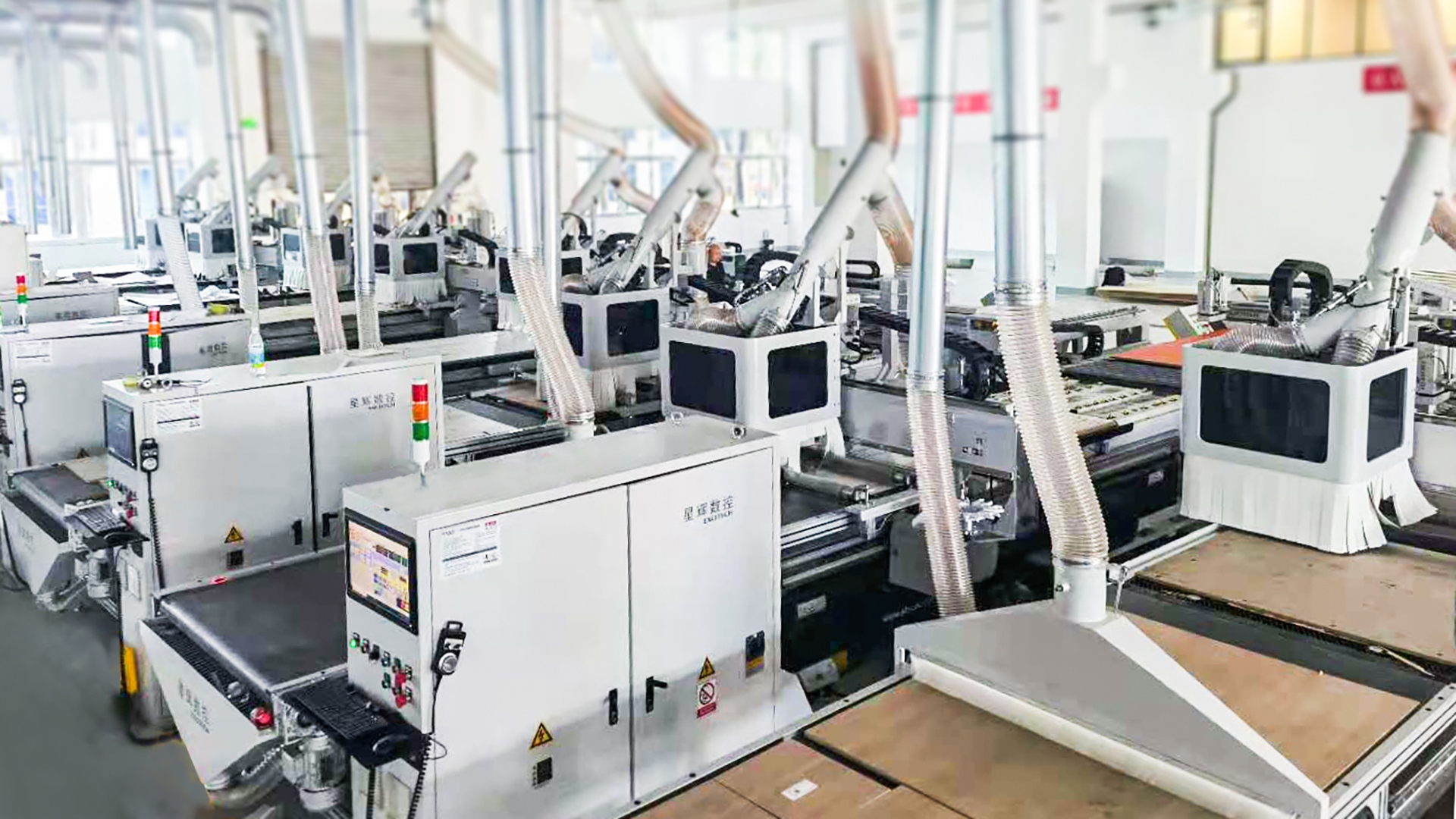
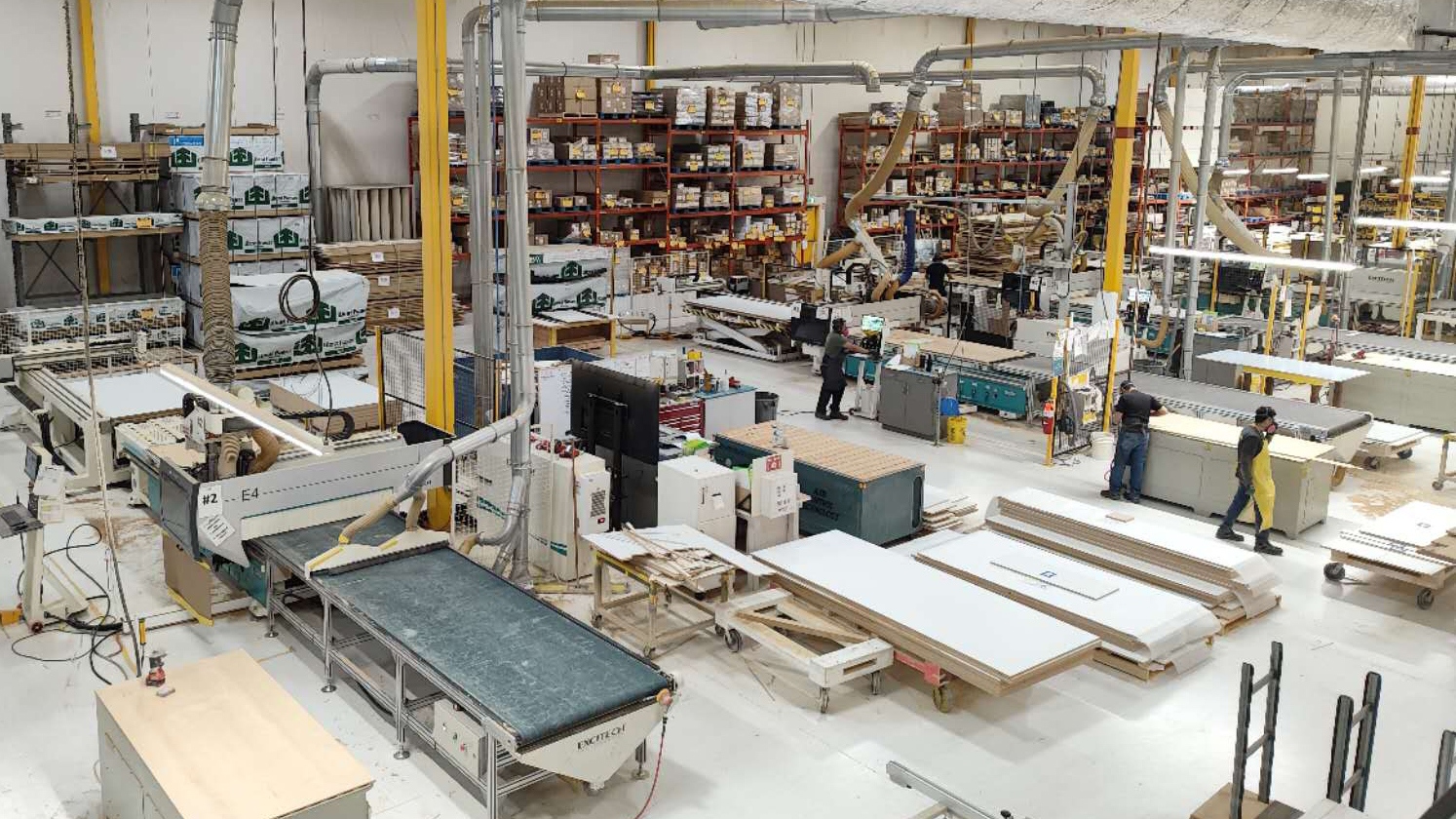
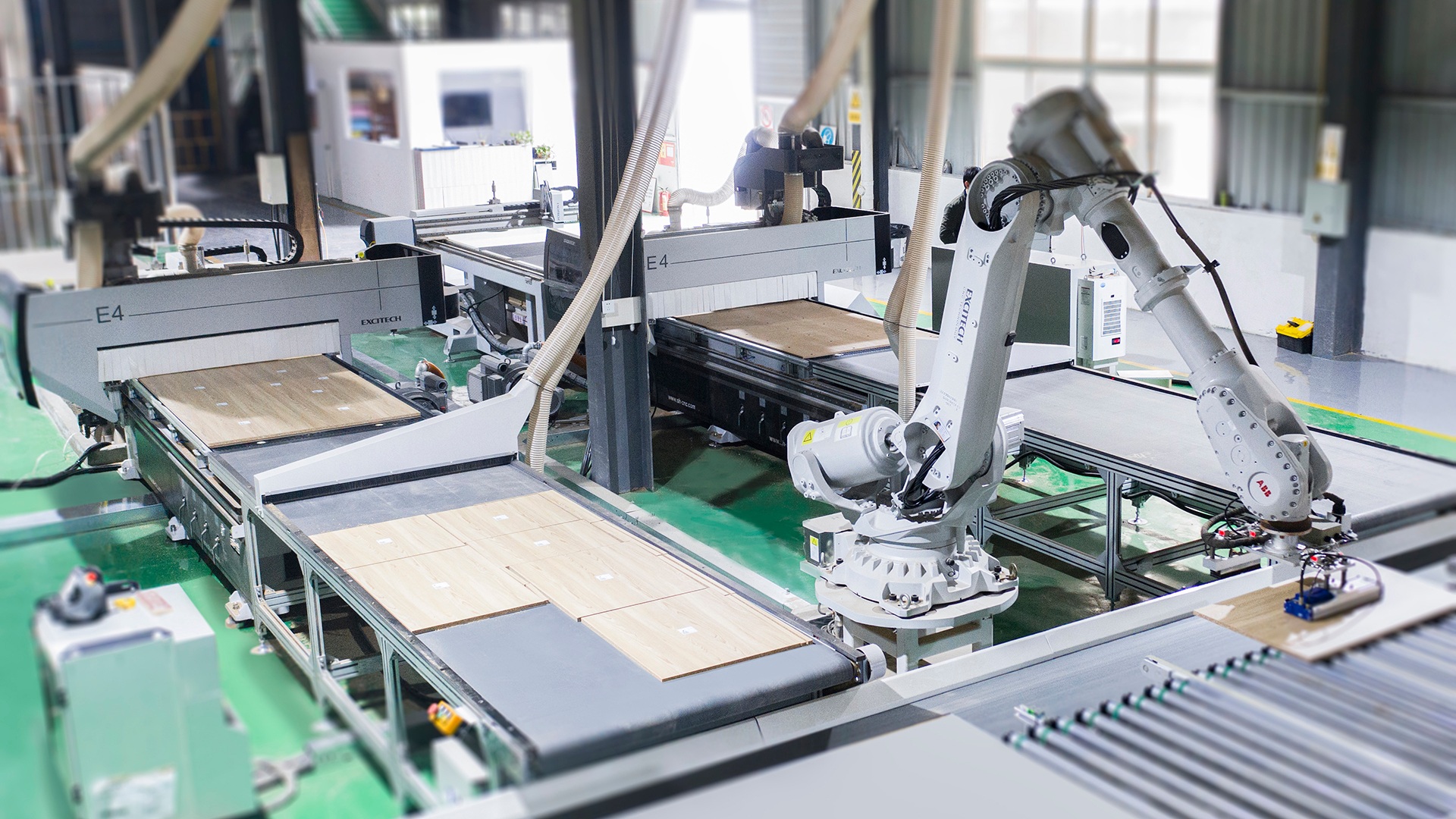
In panel furniture production, the cutting machine is the core first-step equipment, directly affecting material utilization, processing precision and workshop efficiency. Many factories only focus on price when buying, ignoring bed stability, dust control and automation compatibility, leading to precision decline, excessive dust and high labor costs later. This guide helps you avoid mistakes and choose the right machine for your factory.
1. Common Mistakes to Avoid When Choosing a Cutting Machine
Most factories choose the wrong cutting machine due to focusing on the wrong factors.
Here are three common mistakes:
Mistake1: Chasing speed over stability
Some manufacturers claim 20m/min cutting speed, but the bed, transmission and dust extraction can’t match it. High-speed vibration causes chipped edges, misaligned holes and faster tool wear, reducing qualified products. A good machine is efficient and stable, not just fast.
Mistake 2: Choosing the cheapest option, ignoring long-term costs
Low-cost machines use thin steel beds, basic servos and simple dust extraction. They are cheap upfront but suffer bed deformation, precision loss and frequent breakdowns in 1-2 years. Calculate 5-year total cost, not just the purchase price.
Mistake 3: Overlooking your order type, choosing unnecessary high configurations
Factories with basic cabinet cutting orders often buy high-end machines with disc tool changers or imported spindles, leading to unused features and wasted money. Order type determines configuration; production scale determines automation.
2. Key Criteria for Choosing a Quality Cutting Machine
Focus on these five criteria to choose a durable, valuable cutting machine for your factory:
1. Bed Rigidity: Stable precision for years
Quality machines use one-piece welded heavy-duty beds with stress relief treatment, resisting vibration and deformation. Cheap machines use thin steel plates, losing precision within six months.
2. Processing Precision: Consistent and accurate
Full servo drive + precision guide rails ensure ±0.1mm positioning accuracy, with smooth cuts and no chipped edges, facilitating edgebanding and assembly. Basic machines lack precision, causing assembly gaps.
3. Dust Control: Eco-friendly and material-protective
A good machine has a fully enclosed dust system and high-power fan, collecting dust instantly, protecting high-gloss/PET panels and passing environmental inspections easily.
4. Automation Compatibility: Save labor and improve efficiency
Machines supporting auto loading/unloading and robotic palletizing reduce 3-5 workers, with one operator managing multiple machines, suitable for batch production.
5. Software Compatibility: Flexible for small-batch production
Quality machines integrate with mainstream nesting software, optimizing material layout (3%-8% higher utilization) and supporting one-click job switching and real-time data monitoring.